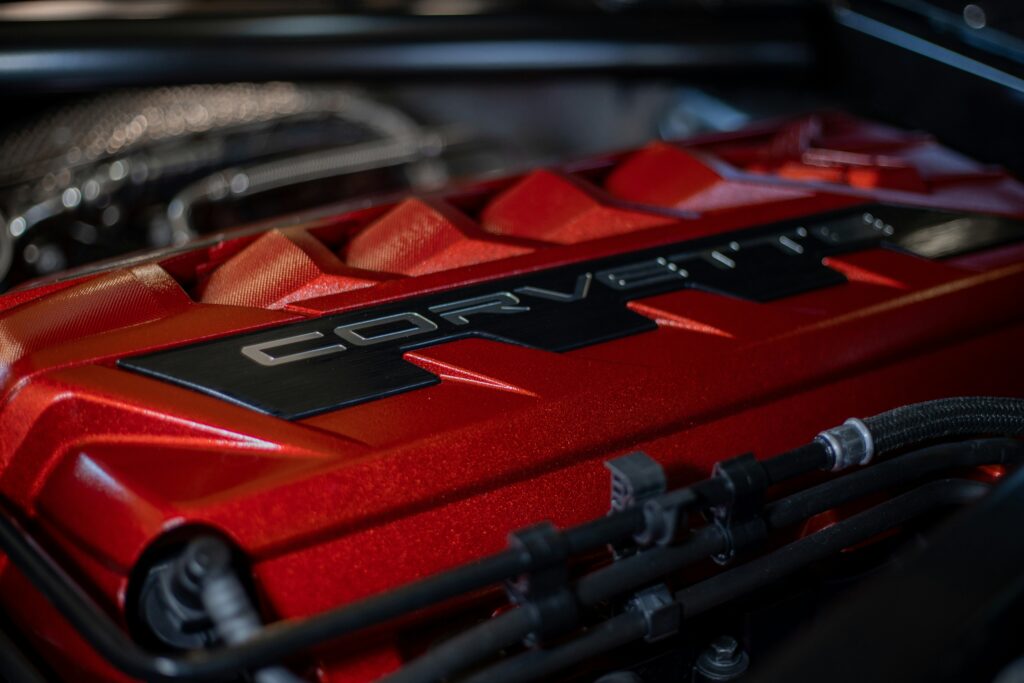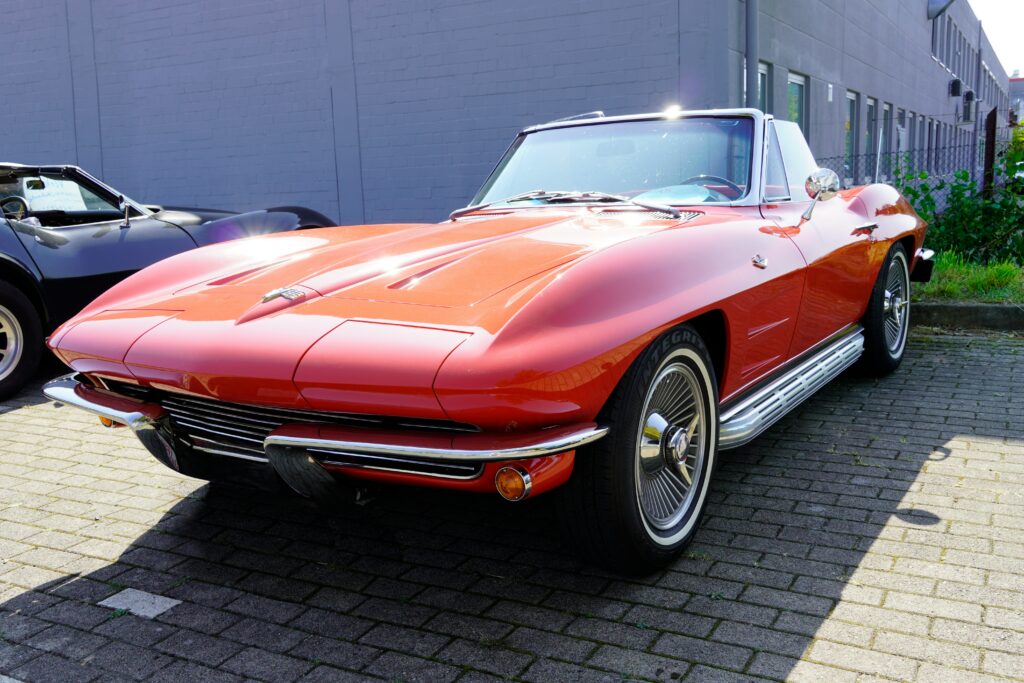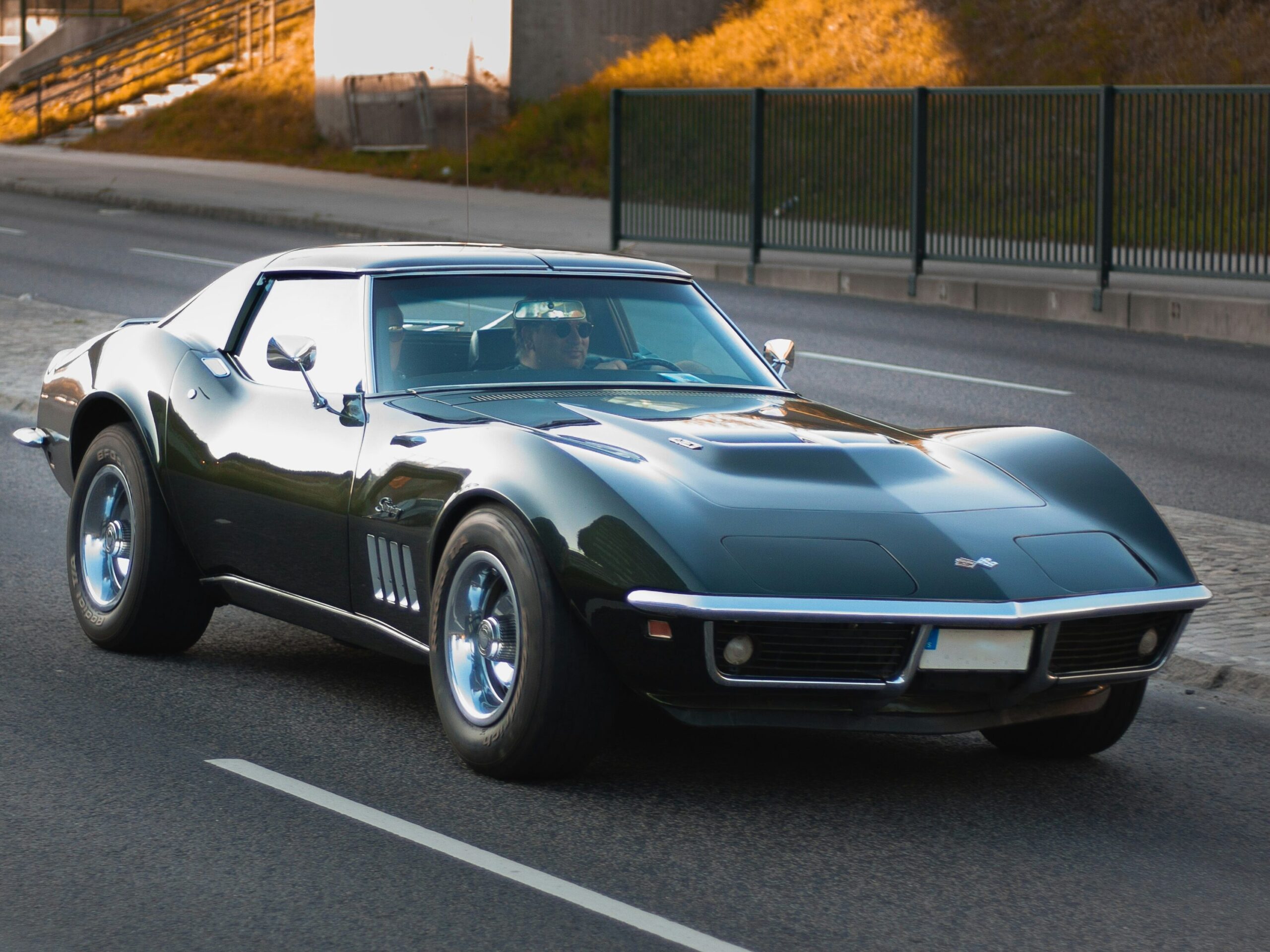
Should You Buy a New or Classic Corvette?

For decades, the Chevrolet Corvette has represented American performance, innovation, and style. Whether you’re a lifelong enthusiast or considering buying your very first Corvette, one of the biggest decisions you’ll face is whether to purchase a brand-new model or invest in a classic Corvette.

Both options offer unique advantages. A new Corvette delivers cutting-edge technology, modern performance, and everyday comfort, while a classic Corvette offers timeless styling, nostalgic charm, and a direct connection to automotive history. Just as homeowners rely on orlando pest control to help protect their homes from unwanted pests and preserve their investment, Corvette owners understand the importance of protecting and maintaining a vehicle that represents both passion and value.

The right choice ultimately depends on your budget, driving habits, maintenance expectations, and personal preferences. Whether you’re shopping for your dream sports car or taking steps to care for the things you value most—whether that’s through routine maintenance or trusted orlando pest control—making informed decisions today can provide years of enjoyment down the road.

Here’s a closer look at the pros and cons of each to help you decide which Corvette belongs in your garage.

Why Buy a New Corvette?

Today’s Corvette is unlike any that came before it. The current generation has redefined what an American sports car can be, offering performance that rivals exotic European supercars while remaining surprisingly practical.

Incredible Performance

Modern Corvettes deliver astonishing horsepower, razor-sharp handling, and lightning-fast acceleration. Even the base models offer performance that was once reserved for high-end sports cars costing twice as much.

Features such as advanced suspension systems, launch control, multiple driving modes, and sophisticated traction management allow drivers to enjoy incredible performance while maintaining confidence behind the wheel.

Whether you’re cruising mountain roads, attending a track day, or simply enjoying a weekend drive, a new Corvette is engineered to impress.

Modern Technology

One of the biggest advantages of buying new is the technology.

Today’s Corvettes include features such as:

  • Large touchscreen infotainment systems
  • Apple CarPlay and Android Auto
  • Premium Bose audio systems
  • Wireless phone charging
  • Navigation
  • Digital driver displays
  • Performance data recorders
  • Heated and ventilated seats
  • Advanced climate control

These conveniences make long road trips and daily driving significantly more enjoyable than they were decades ago.

Improved Reliability

New Corvettes benefit from years of engineering improvements and modern manufacturing techniques.

With proper maintenance, today’s Corvettes are remarkably reliable compared to many older sports cars. New owners also enjoy factory warranties that provide peace of mind should unexpected repairs arise.

For someone who wants to spend more time driving than wrenching, a new Corvette can be an excellent choice.

Better Safety Features

Automotive safety has come a long way over the years.

Modern Corvettes offer features such as:

  • Rear-view cameras
  • Blind spot monitoring
  • Rear cross-traffic alerts
  • Front collision warning
  • Performance stability systems
  • Multiple airbags
  • Advanced braking systems

These technologies help make today’s Corvette safer than ever before without sacrificing excitement.

Why Buy a Classic Corvette?

Classic Corvettes hold a special place in automotive history. From the chrome-covered C1 models to the muscular C3 Stingray and iconic C2 split-window coupe, these cars represent some of the most recognizable designs ever produced.

Owning a classic Corvette is about much more than transportation—it’s about preserving history.

Timeless Styling

Many enthusiasts believe classic Corvettes possess a level of character that simply cannot be replicated today.

Distinctive styling elements include:

  • Chrome bumpers
  • Round taillights
  • Hidden headlights
  • Long sculpted hoods
  • Sweeping fenders
  • Classic analog gauges

Every generation has its own personality, making each one instantly recognizable.

Classic Corvettes attract attention everywhere they go, whether at a local cruise-in or national car show.

A More Connected Driving Experience

Older Corvettes provide a completely different driving experience.

Without electronic driving aids, adaptive suspensions, or digital controls, drivers feel more connected to the road.

Manual steering (on some models), classic V8 rumble, and analog instrumentation create a raw driving experience that many enthusiasts genuinely love.

It’s less about lap times and more about enjoying every mile.

Collector Potential

Many classic Corvettes have appreciated significantly in value over time.

While not every classic Corvette becomes an investment, well-maintained examples—especially rare trims, matching-numbers cars, and limited-production models—can hold their value remarkably well.

Owners often enjoy both driving and preserving a piece of automotive history.

Easier to Customize

Classic Corvettes offer nearly endless customization possibilities.

Owners frequently modify:

  • Wheels
  • Suspension
  • Engines
  • Exhaust systems
  • Interior upholstery
  • Paint colors
  • Restomod upgrades

Some enthusiasts choose factory-correct restorations, while others build modernized restomods that combine vintage styling with contemporary performance.

The possibilities are almost endless.

Things to Consider Before Buying a Classic

Although classic Corvettes are incredibly rewarding, they aren’t for everyone.

Maintenance often requires more time, patience, and mechanical knowledge.

Replacement parts may sometimes be harder to locate, and older vehicles naturally require more routine upkeep.

Air conditioning may be less effective, fuel economy will usually be lower, and safety equipment won’t match today’s standards.

Insurance requirements may also differ depending on how frequently the vehicle is driven.

If you enjoy working on cars or learning about automotive restoration, these challenges can actually become part of the fun.

Cost Differences

Price is another major consideration.

A brand-new Corvette represents a significant investment, especially when adding performance packages and premium options.

Classic Corvettes, however, vary dramatically in price depending on the generation, originality, mileage, rarity, and condition.

Some older C4 and C5 Corvettes remain surprisingly affordable entry points into Corvette ownership.

Meanwhile, pristine C1s, split-window C2s, and rare performance models can command six-figure prices.

Your budget may naturally help narrow your decision.

Which Corvette Fits Your Lifestyle?

Ask yourself a few questions before making your purchase:

  • Will this be your daily driver or a weekend toy?
  • Do you enjoy working on vehicles?
  • Are you interested in collecting?
  • Do you prioritize modern comfort?
  • Will you take long road trips?
  • Do you enjoy attending car shows?

If you want reliable transportation with world-class performance and modern convenience, a new Corvette is difficult to beat.

If your dream involves preserving automotive history, turning heads at cruise nights, and enjoying old-school driving excitement, a classic Corvette may be the perfect fit.

The Best Choice May Be…Both

Ask longtime Corvette owners, and many will tell you the perfect garage includes one of each.

A new Corvette provides cutting-edge performance, comfort, and reliability for long drives and spirited weekend adventures.

A classic Corvette delivers nostalgia, personality, and a unique driving experience that modern vehicles simply can’t duplicate.

Each tells a different chapter of the Corvette story.

Choosing between a new and classic Corvette ultimately comes down to what excites you most every time you open the garage door.

Modern Corvettes showcase how far American engineering has come, delivering breathtaking performance wrapped in sophisticated technology. Classic Corvettes celebrate decades of automotive heritage with timeless designs and unforgettable character.

No matter which path you choose, you’ll be joining one of the most passionate automotive communities in the world. Corvette owners share a love for performance, craftsmanship, and the open road that spans generations.

Whether you’re behind the wheel of a brand-new model or cruising in a beautifully restored classic, every Corvette carries the same legendary spirit—a spirit that continues to inspire enthusiasts and bring people together at car shows, club events, and scenic drives across the country.

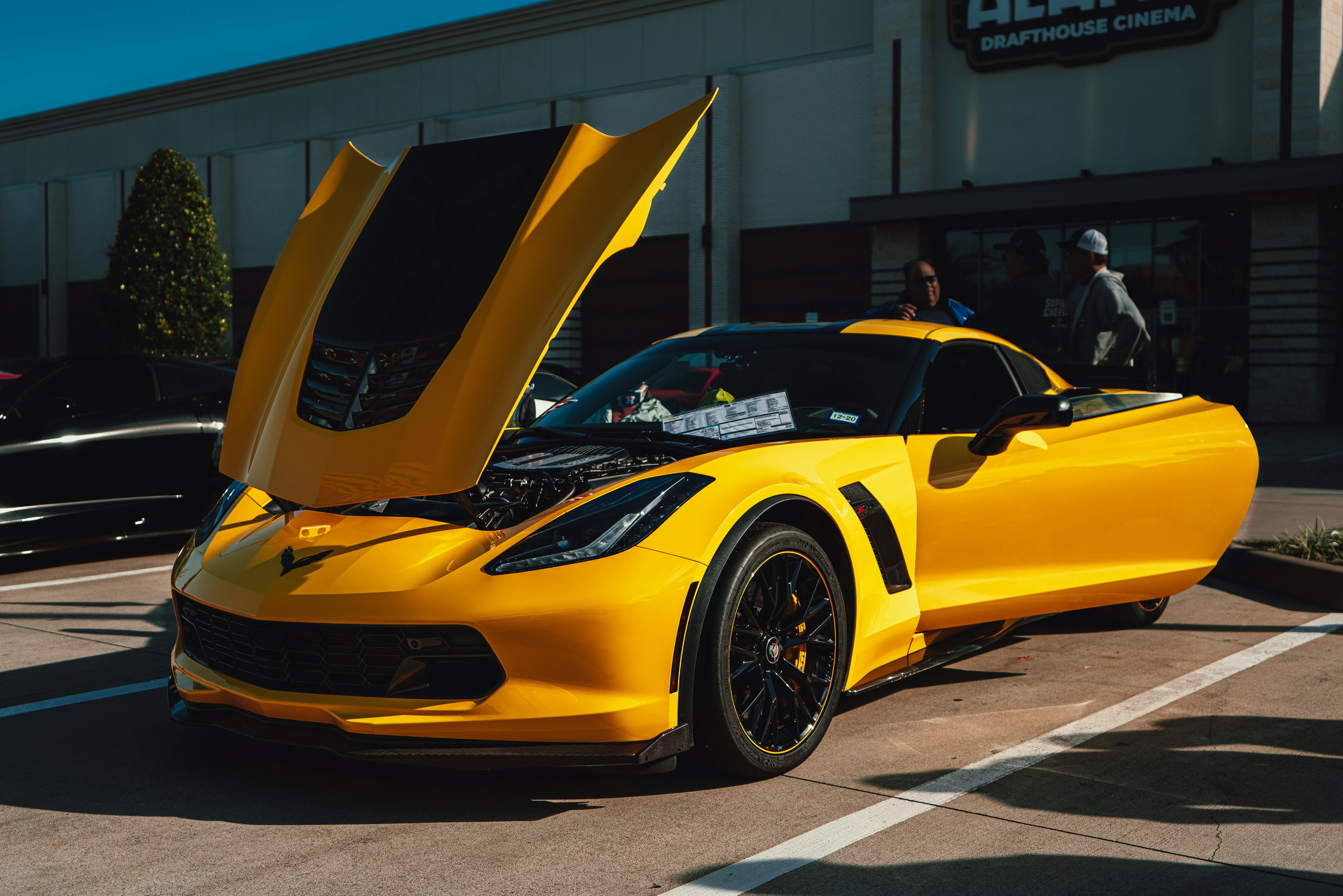
The East Tennessee Corvette Club: Bringing Corvette Enthusiasts Together

Owning a Corvette is about much more than driving an iconic American sports car. It’s about joining a community of people who share a passion for performance, craftsmanship, and unforgettable experiences on the open road. For Corvette enthusiasts throughout the region, the East Tennessee Corvette Club provides an opportunity to connect with fellow owners, enjoy scenic drives, attend exciting events, and celebrate one of the most legendary vehicles ever built.

Whether you’ve owned Corvettes for decades or recently purchased your very first model, being part of a local Corvette community can make ownership even more rewarding. From mountain cruises to car shows and charitable events, Corvette clubs create friendships and memories that last a lifetime.

More Than a Car Club

One of the greatest aspects of the East Tennessee Corvette Club is the sense of community it fosters among members. While everyone joins because of a shared appreciation for the Corvette, members quickly discover that the friendships formed are just as valuable as the cars themselves.

Club gatherings offer opportunities to meet people from different backgrounds who all share the excitement of talking about Corvettes. Conversations often begin with favorite models, restoration projects, or performance upgrades but quickly grow into lasting friendships built through shared experiences.

Many Corvette owners say that joining a club transforms the ownership experience. Instead of enjoying the car alone, members become part of a network of enthusiasts who understand what makes driving a Corvette so special.

Exploring East Tennessee’s Beautiful Roads

East Tennessee is one of the most scenic regions in the country, making it an ideal place for Corvette owners. Rolling hills, winding mountain highways, peaceful valleys, and breathtaking overlooks provide the perfect backdrop for unforgettable drives.

Cruising through the region allows Corvette owners to experience everything from peaceful country roads to thrilling mountain curves. Every season offers something unique, whether it’s colorful wildflowers in the spring, lush green landscapes during summer, vibrant fall foliage, or crisp winter mornings.

Driving becomes about more than reaching a destination—it’s about enjoying every mile behind the wheel.

Group cruises are often among the most anticipated activities for Corvette enthusiasts. Driving alongside fellow Corvette owners creates an experience that’s difficult to match. Seeing a line of Corvettes traveling together through East Tennessee’s picturesque landscapes always attracts smiles and admiration from fellow motorists.

Celebrating America’s Sports Car

Since its introduction in 1953, the Corvette has represented innovation, performance, and American engineering excellence. Each generation has introduced new technology while maintaining the excitement that has made the Corvette one of the world’s most recognizable sports cars.

Members of the East Tennessee Corvette Club often appreciate every era of Corvette history. Some enjoy beautifully restored classics from the early generations, while others proudly drive modern performance machines equipped with cutting-edge technology.

One of the best parts of attending club events is seeing multiple generations of Corvettes together in one place. It’s a reminder of how the Corvette has evolved while staying true to its identity.

Whether someone prefers a chrome-covered classic, a powerful C6, a sleek C7, or the revolutionary mid-engine C8, every Corvette has a story worth sharing.

Learning From Fellow Enthusiasts

One advantage of belonging to a Corvette club is the opportunity to learn from experienced owners.

Members often exchange maintenance tips, detailing techniques, modification ideas, and restoration advice. New owners benefit from the experience of longtime enthusiasts who have spent years caring for their vehicles.

From recommending trusted repair shops to sharing advice on preparing a Corvette for long road trips, the knowledge within the Corvette community is incredibly valuable.

Many owners also enjoy discussing new technology, factory options, aftermarket accessories, and performance upgrades. These conversations help members stay informed while discovering new ways to enjoy their cars.

Car Shows and Community Events

Corvette clubs frequently participate in local car shows, community festivals, charity fundraisers, and automotive events throughout the year.

These gatherings provide opportunities to showcase beautiful vehicles while introducing others to the Corvette hobby. Spectators of all ages enjoy seeing Corvettes up close, learning about different generations, and talking with passionate owners.

Families often attend these events together, making them enjoyable for everyone—not just automotive enthusiasts.

Many clubs also support charitable causes by participating in fundraising drives, community outreach, or special events that benefit local organizations. Combining a love of Corvettes with opportunities to give back makes club participation even more meaningful.

Welcoming New Members

You don’t have to own a rare collector’s Corvette or possess extensive automotive knowledge to become involved in the Corvette community.

Most Corvette clubs welcome enthusiasts with a wide variety of backgrounds and experience levels. Whether you recently purchased your first Corvette or have owned several throughout the years, there’s always something new to learn and people eager to welcome you.

New members often discover that everyone shares the same excitement when talking about their cars, planning upcoming cruises, or discussing favorite driving destinations.

That welcoming atmosphere helps create a club where friendships continue to grow year after year.

Creating Lasting Memories

For many Corvette owners, some of their favorite memories come from experiences shared with fellow enthusiasts.

Weekend cruises, scenic mountain drives, restaurant gatherings, holiday celebrations, and special events become traditions that members look forward to every year.

The Corvette itself becomes part of life’s biggest moments. Owners often remember exactly where they drove, who joined them, and the incredible roads they explored together.

Those memories become just as valuable as the vehicle parked in the garage.

Why Corvette Clubs Continue to Grow

The popularity of Corvette clubs continues to expand because they offer something many people are searching for: genuine connections through shared interests.

Modern life often leaves little time for hobbies or meeting new people. Corvette clubs provide opportunities to step away from everyday routines, enjoy beautiful drives, and spend time with others who appreciate the same passion.

Whether attending monthly meetings, participating in local events, or embarking on scenic cruises through East Tennessee, members discover that owning a Corvette becomes even more enjoyable when it’s shared with friends.

Experience the Corvette Lifestyle

The East Tennessee Corvette Club represents much more than a group of sports car owners. It represents community, friendship, adventure, and a shared appreciation for one of America’s greatest automotive achievements.

Every drive offers the chance to create new memories. Every event provides opportunities to meet fellow enthusiasts. Every gathering celebrates the excitement that has made the Corvette an icon for generations.

Whether your Corvette is brand new or decades old, joining a community of passionate owners can make every mile even more meaningful.

After all, while the Corvette may bring people together, it’s the friendships, experiences, and unforgettable drives that keep them coming back.

The Most Iconic Corvette Models of All Time

For more than 70 years, the Corvette has symbolized American performance, innovation, and bold design. Since its debut in 1953, Chevrolet’s sports car has constantly evolved — sometimes refining a winning formula, other times completely reinventing itself. Along the way, certain models rose above the rest. Some became legends because of their styling. Others earned respect through groundbreaking engineering or jaw-dropping performance numbers.

These are the Corvettes that didn’t just sell well or win races — they changed the trajectory of America’s sports car forever.

1963 Split-Window Sting Ray

Few cars in automotive history are as instantly recognizable as the 1963 Split-Window Sting Ray. Officially part of the C2 generation, the 1963 Corvette coupe introduced one of the most dramatic design elements ever seen on a production sports car: a divided rear window separated by a central spine.

The split-window design was the vision of Corvette’s legendary chief stylist Bill Mitchell, who drew inspiration from racing prototypes. The result was stunning — futuristic, aggressive, and unmistakable. However, the divided rear glass created visibility concerns, and under pressure, Chevrolet eliminated it after just one model year. That one-year-only production instantly elevated the 1963 coupe into collector royalty.

But the 1963 model wasn’t just about styling. It also introduced a fully independent rear suspension — a major leap forward from the solid rear axle used in previous generations. This dramatically improved handling and ride quality, bringing the Corvette closer to European sports car standards.

Performance options ranged from small-block V8s to the fuel-injected 327 cubic-inch engine producing up to 360 horsepower — serious numbers for the early 1960s. Combined with its lightweight fiberglass body and improved chassis, the 1963 model wasn’t just beautiful — it was fast and capable.

Today, the 1963 Chevrolet Corvette Sting Ray remains one of the most valuable and admired Corvettes ever built. It represents the moment when the Corvette matured from stylish cruiser into a true performance machine.

1967 Big-Block Corvette

If the 1963 model introduced sophistication, the 1967 Corvette perfected the muscle-era formula. The final year of the C2 generation is widely regarded by enthusiasts as the pinnacle of classic Corvette design and engineering.

By 1967, Chevrolet had refined the Sting Ray’s styling into something clean, aggressive, and purposeful. Gone were the fender vents and excessive trim of earlier models. In their place was a streamlined, muscular silhouette that looked fast even when standing still.

Under the hood, things got serious. The available big-block V8 engines — including the legendary L71 427 cubic-inch engine — produced up to 435 horsepower (and likely much more in real-world output). With massive torque and straight-line acceleration that could embarrass almost anything on the road, the 1967 Corvette embodied the raw power of the American muscle era.

Yet it wasn’t just about brute force. The 1967 model year also offered upgraded suspension components, improved braking systems, and options like side-mounted exhaust pipes, which added both performance and visual drama.

The 1967 Chevrolet Corvette stands today as one of the most collectible Corvettes ever produced. Low production numbers and its status as the final and most refined C2 model make it a blue-chip classic in the collector car world.

For many, 1967 represents the ultimate expression of the classic front-engine, big-block Corvette formula.

1990 ZR-1 – “King of the Hill”

Fast forward to 1990, and the Corvette world was about to be shocked. The arrival of the ZR-1 marked a dramatic shift in philosophy. Rather than relying purely on displacement and muscle-car heritage, Chevrolet pursued advanced engineering and global performance credibility.

Nicknamed “King of the Hill,” the 1990 Chevrolet Corvette ZR-1 featured the revolutionary LT5 engine — a 5.7-liter V8 with dual overhead camshafts and 32 valves. Developed with assistance from Lotus, this high-tech powerplant produced 375 horsepower at launch, later increased to 405 horsepower.

For 1990, those numbers were staggering. The ZR-1 could exceed 175 mph, placing it firmly in European supercar territory. It wasn’t just quick in a straight line either — its upgraded suspension, wide rear tires, and performance-focused tuning gave it serious track capability.

Visually, the ZR-1 distinguished itself with a wider rear end and unique badging, but it retained the C4’s recognizable wedge shape. It was subtle compared to many supercars, yet brutally effective.

More importantly, the ZR-1 proved something critical: the Corvette could compete globally on technology and refinement, not just horsepower per dollar. It signaled that America’s sports car was no longer content playing in a domestic sandbox.

2009 ZR1 – Supercharged Supercar Slayer

Nearly two decades later, Chevrolet once again redefined expectations with the C6-generation ZR1 (note the slight name change from ZR-1 to ZR1). The 2009 Chevrolet Corvette ZR1 delivered 638 horsepower from its supercharged 6.2-liter LS9 V8 — making it the most powerful production Corvette ever built at the time.

This wasn’t just incremental progress. It was a full-scale assault on the supercar establishment.

With a top speed over 200 mph and Nürburgring lap times that rivaled European exotics costing twice as much, the 2009 ZR1 became a benchmark for performance value. Carbon fiber body panels, a transparent hood window showcasing the supercharger, magnetic ride control, and advanced aerodynamics demonstrated how far the Corvette had evolved.

Critics who once dismissed the Corvette as crude were forced to reconsider. The ZR1 offered world-class speed, composure, and track durability — without abandoning its American identity.

For many enthusiasts, the C6 ZR1 represents the ultimate expression of the front-engine Corvette platform before the revolutionary shift to mid-engine design.

C8 Z06 – A New Era of Performance

The introduction of the mid-engine C8 generation in 2020 fundamentally changed the Corvette’s layout and capabilities. But it was the Z06 variant that truly demonstrated how far the car had progressed.

The Chevrolet Corvette Z06 features a naturally aspirated 5.5-liter flat-plane crank V8 — a configuration more commonly associated with exotic European brands. Revving beyond 8,000 RPM and producing over 650 horsepower, it delivers a sound and character unlike any Corvette before it.

The mid-engine layout dramatically improves weight distribution, traction, and cornering balance. Combined with aggressive aerodynamics, massive brakes, and track-focused suspension tuning, the C8 Z06 is engineered to dominate road courses.

This model represents a philosophical shift. Where earlier Corvettes often emphasized straight-line muscle, the C8 Z06 is precision-focused — designed from the ground up as a world-class track machine.

It proves that the Corvette is no longer just competing with European performance cars — it belongs in the same conversation.

Why These Models Matter

Each of these iconic Corvettes represents a turning point:

  • The 1963 Split-Window Sting Ray redefined design and chassis sophistication.
  • The 1967 Big-Block perfected the muscle-era formula.
  • The 1990 ZR-1 introduced advanced engineering and global ambition.
  • The 2009 ZR1 shattered performance ceilings for the front-engine platform.
  • The C8 Z06 ushered in a mid-engine supercar era.

They are prized not only for rarity or horsepower, but for what they symbolize. Each model pushed boundaries and forced the automotive world to pay attention.

The Corvette’s story is one of constant reinvention. It adapts to new technology, new performance standards, and new competitors — yet it never loses its core identity as America’s sports car.

That enduring ability to evolve is what keeps the Corvette relevant decade after decade.

It’s not just a car.
It’s a moving timeline of American performance history — and the legend is still being written.

C8 Corvette vs European Supercars: How America’s Sports Car Changed the Game

When Chevrolet unveiled the mid-engine C8 Corvette, it wasn’t just introducing a new generation of America’s sports car — it was signaling a seismic shift in the global performance landscape. For nearly 70 years, the Corvette had remained front-engine, rear-wheel drive. Meanwhile, the world’s most exotic and celebrated supercars from Europe had long embraced the mid-engine formula as the gold standard for balance and performance.

With the arrival of the C8, that changed overnight.

The C8 Corvette didn’t simply evolve — it redefined what American performance could be. And in doing so, it forced direct comparisons with European legends like the Ferrari and Lamborghini.

The Mid-Engine Advantage

For decades, mid-engine architecture has been associated with precision engineering and elite performance. By placing the engine behind the driver but ahead of the rear axle, weight distribution improves dramatically. This layout enhances balance, reduces understeer, sharpens turn-in response, and improves traction under acceleration.

European manufacturers mastered this formula years ago. Vehicles such as the Ferrari F8 Tributo and the Lamborghini Huracán rely on mid-engine layouts to deliver world-class cornering capability and razor-sharp handling.

When Chevrolet introduced the C8 Corvette, it adopted this same engineering philosophy. The move wasn’t cosmetic — it was transformative. Compared to previous front-engine Corvettes, the C8 delivers a lower center of gravity, improved weight balance, and significantly better traction when accelerating out of corners.

For Corvette enthusiasts, this was the realization of a dream that engineers had discussed for decades. For competitors, it was a warning shot.

Performance Numbers That Shocked the Industry

When the base C8 launched, it produced 495 horsepower with the Z51 performance package. That number alone is impressive — but the headline statistic was its 0–60 mph time of under three seconds.

That level of acceleration once required a six-figure European exotic. Cars wearing prancing horses or raging bulls had long dominated this performance bracket. Yet here was an American sports car delivering supercar acceleration at a fraction of the cost.

The price difference is what truly shook the industry. While many European supercars routinely begin north of $200,000 — and often climb well beyond that with options — the C8 entered the market at a starting price closer to that of a luxury sedan.

Performance per dollar became the Corvette’s strongest argument.

And it didn’t stop there. The introduction of the Chevrolet Corvette Z06 elevated the conversation even further. Featuring a flat-plane crank V8 and a screaming redline reminiscent of European exotics, the Z06 blurred the line between American muscle and Italian thoroughbred. Suddenly, the Corvette wasn’t just matching European supercars in acceleration — it was challenging them in character and sound.

Interior and Technology: Closing the Gap

Historically, one of the most common criticisms of Corvettes involved interior quality. While performance was often exceptional, critics argued that European rivals offered more refined cabins, higher-end materials, and superior craftsmanship.

The C8 changed that narrative in dramatic fashion.

The cockpit is unapologetically driver-focused, with a dramatic center console that wraps around the pilot. Digital displays replace analog gauges, offering customizable performance data and track telemetry. Premium materials, stitched leather, and carbon fiber accents create an atmosphere that feels far more upscale than Corvettes of the past.

The shift to an 8-speed dual-clutch transmission marked another major evolution. Previous generations offered manual gearboxes, beloved by purists. But to compete directly with European exotics, Chevrolet opted for lightning-fast, computer-controlled shifts. The result is seamless acceleration comparable to the transmissions found in high-end European supercars.

While luxury purists may still argue that certain European brands maintain a slight edge in tactile refinement or brand prestige, the gap has narrowed dramatically — far more than many expected.

Track Capability and Engineering Depth

Straight-line speed is only one measure of a supercar. Sustained performance on a road course is where engineering truly shines.

Chevrolet’s performance team focused intensely on aerodynamics, cooling systems, and chassis rigidity when developing the C8. The mid-engine layout allowed for improved airflow management and enhanced structural stiffness. Larger brakes and advanced suspension geometry enable confident, repeatable performance during track sessions.

Independent testing has shown that the C8 can lap alongside — and in some cases outperform — significantly more expensive European competitors. That reality would have been nearly unthinkable just a decade ago.

The Corvette has always delivered impressive speed. What makes the C8 different is its composure. It feels planted, predictable, and precise — traits traditionally associated with Europe’s elite performance brands.

The Psychological Shift

Perhaps the C8’s greatest impact isn’t measured in horsepower or lap times — it’s measured in perception.

For decades, American sports cars were viewed as brute-force machines: massive engines, straight-line dominance, and aggressive styling. European supercars, by contrast, were seen as refined instruments of precision engineering.

The C8 disrupted that stereotype.

Its sharp, angular design looks more like an Italian exotic than a traditional American muscle car. Its mid-engine proportions fundamentally changed how people perceive the Corvette silhouette. Parked next to European exotics, the C8 no longer appears out of place — it looks like it belongs.

This shift matters because perception shapes the market. Buyers who may never have considered an American sports car are now taking a second look.

Value vs Prestige

Does the C8 Corvette replace a Ferrari or Lamborghini in terms of heritage and exclusivity? That depends on what a buyer prioritizes.

European supercars carry decades of racing pedigree, limited production numbers, and brand cachet that extends beyond raw performance. Ownership often includes an element of status and exclusivity that transcends numbers on a spec sheet.

The Corvette, however, has always championed accessibility. It delivers extraordinary performance without requiring generational wealth. That philosophy remains intact with the C8 — but now it does so with engineering sophistication that rivals global elites.

In measurable categories — acceleration, braking, handling, technology, and price-to-performance ratio — the C8 is not merely competitive. It is disruptive.

The Game Has Changed

The introduction of the mid-engine C8 Corvette represents one of the boldest decisions in American automotive history. Chevrolet could have continued refining the traditional front-engine formula. Instead, it reinvented its flagship sports car entirely.

In doing so, it elevated the Corvette into a new class.

The C8 didn’t just join the supercar conversation — it forced it to evolve. European manufacturers now face a competitor that delivers comparable performance at a dramatically lower cost. The ripple effect is already visible in the performance market.

America’s sports car is no longer defined by compromise or caveat. The C8 Corvette stands as proof that world-class engineering knows no geographic boundary.

And for the first time, when discussing the world’s great supercars, leaving Corvette out of the conversation simply isn’t an option anymore.

The Evolution of the Chevrolet Corvette: From 1953 to the Mid-Engine Revolution

Few vehicles in American automotive history carry the prestige, heritage, and performance reputation of the Chevrolet Corvette. For more than seven decades, the Corvette has stood as a symbol of innovation, speed, and bold American design. It has weathered economic downturns, oil crises, emissions crackdowns, and fierce global competition — yet it continues to thrive. From its fiberglass-bodied beginnings in 1953 to today’s mid-engine supercar configuration, the Corvette has constantly reinvented itself while staying true to its identity as America’s sports car.

The Birth of an American Icon (C1: 1953–1962)

The Corvette story began in 1953 when it debuted at the General Motors Motorama show in New York City. At the time, American automakers were noticing the popularity of lightweight European sports cars returning from World War II. Chevrolet wanted to build something similar — but distinctly American.

The first-generation Corvette, now known as the C1, featured a revolutionary fiberglass body. This was a bold move in an era when steel dominated automotive manufacturing. Fiberglass allowed for lighter weight and more sculpted styling, setting the Corvette apart immediately.

However, early performance did not match the car’s sporty looks. The 1953 Corvette came equipped with a modest inline-six engine paired to a two-speed automatic transmission. It looked fast, but it wasn’t yet a true performance contender.

Everything changed in 1955 when Chevrolet introduced the small-block V8 engine. This addition transformed the Corvette from a stylish cruiser into a legitimate sports car. Horsepower increased dramatically, acceleration improved, and enthusiasts began taking the Corvette seriously. By the late 1950s, the Corvette had earned a growing reputation for performance, especially with the introduction of fuel injection in 1957 — a cutting-edge feature at the time.

The foundation was set. The Corvette was no longer just an experiment. It was becoming a performance icon.

Sting Ray Era and Muscle Power (C2 & C3: 1963–1982)

In 1963, Chevrolet introduced what many consider the most beautiful Corvette ever built: the second-generation C2 Sting Ray. The design was sharp, aggressive, and futuristic. Hidden headlights, sculpted fenders, and the now-legendary split rear window coupe (available only in 1963) made it an instant classic.

Under the hood, the horsepower wars were escalating. Big-block V8 engines pushed output beyond 400 horsepower, turning the Corvette into a true American muscle machine. During the height of the muscle car era, the Corvette stood at the top of Chevrolet’s performance hierarchy.

The third-generation C3 debuted in 1968, heavily inspired by the Mako Shark II concept car. Its flowing curves and dramatic body lines defined the Corvette look throughout the 1970s. Sales were strong, and the Corvette became a cultural symbol of American performance and style.

However, the 1970s brought challenges. Stricter emissions regulations and the oil crisis led to significant horsepower reductions across the automotive industry. Corvette performance dipped during this period, but its image endured. Even when power numbers fell, the Corvette remained aspirational — a car people dreamed of owning.

Modern Performance Takes Shape (C4–C6: 1984–2013)

After skipping the 1983 model year entirely, Chevrolet launched the C4 Corvette in 1984. This generation marked a major technological leap forward. The C4 featured a completely redesigned chassis, improved aerodynamics, and advanced suspension systems that prioritized handling precision.

Inside, digital dashboards and modernized interiors signaled that the Corvette was stepping into a new era. Performance steadily improved throughout the C4’s lifespan, culminating in high-performance variants like the ZR-1, which reestablished the Corvette as a serious global competitor.

The fifth-generation C5 (1997–2004) represented another transformative leap. It introduced the LS engine family — powerplants that would become legendary for their durability, efficiency, and tuning potential. The C5 also featured a rear-mounted transaxle, improving weight distribution and balance. This engineering refinement significantly enhanced handling and made the Corvette more competitive against European sports cars.

Then came the C6 (2005–2013), which refined the formula further. Pop-up headlights were retired, weight was reduced, and performance increased. High-performance models like the Z06 and the supercharged ZR1 delivered astonishing speed at a price far lower than comparable European supercars. By this point, the Corvette wasn’t just competing — it was outperforming many of its rivals in value and raw capability.

The Front-Engine Finale (C7: 2014–2019)

The seventh-generation C7 Corvette marked the end of the traditional front-engine era. Aggressive styling, sharp creases, and a driver-focused cockpit gave it a modern, purposeful look. Under the hood, the LT1 V8 delivered strong naturally aspirated performance, while higher trims like the Z06 and ZR1 pushed output beyond 650 horsepower.

The C7 combined brute strength with sophisticated handling. Magnetic ride control, advanced aerodynamics, and performance data recorders reflected how far technology had advanced since 1953.

By this stage, the Corvette had evolved into a world-class performance machine. It was no longer just America’s sports car — it was a legitimate global contender capable of standing toe-to-toe with vehicles costing twice as much.

Yet Chevrolet engineers had long dreamed of going even further.

The Mid-Engine Revolution (C8: 2020–Present)

In 2020, Chevrolet stunned the automotive world by unveiling the first-ever mid-engine Corvette: the C8. For decades, Corvette engineers had experimented with mid-engine concepts dating back to the 1960s. Moving the engine behind the driver promised better weight distribution, improved traction, and enhanced handling balance.

The C8 finally made that dream a production reality.

Visually, the transformation was dramatic. The proportions shifted, the nose shortened, and the cabin moved forward. The Corvette suddenly looked like an exotic European supercar. But unlike many mid-engine competitors, it maintained a starting price that remained relatively accessible compared to six-figure exotics.

Performance matched the bold design. The mid-engine layout improved acceleration and cornering stability. Later variants pushed the envelope even further, solidifying the Corvette’s place in supercar territory.

The C8 was not simply a redesign — it was the culmination of nearly 70 years of engineering ambition. It proved that even icons are willing to reinvent themselves.

Why the Corvette Still Matters

The Corvette’s survival is no accident. It has endured because it adapts. When emissions regulations tightened, it evolved. When technology advanced, it embraced innovation. When global competition intensified, it stepped up its game.

Perhaps most importantly, the Corvette has consistently delivered exceptional performance per dollar. While many sports cars drift into ultra-luxury pricing, the Corvette has remained aspirational yet attainable. That balance has kept it relevant across generations.

Each iteration reflects the era in which it was built — from the optimism of the 1950s to the muscle car bravado of the 1960s, the challenges of the 1970s, the technological leap of the 1980s and 1990s, and today’s high-tech supercar landscape.

From fiberglass beginnings to mid-engine precision, the evolution of the Corvette proves one thing: true icons don’t stand still. They evolve — and in doing so, they define the future while honoring the past.